
Containment-first mindset
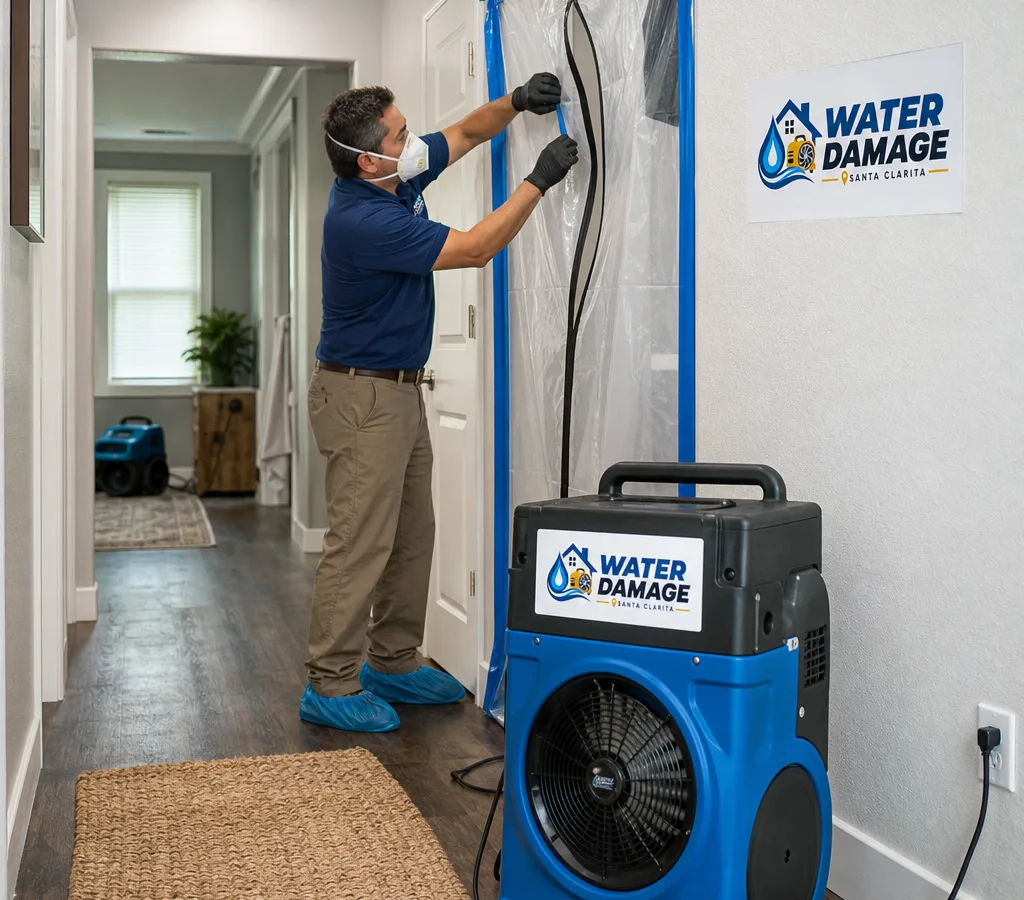
We treat mold like a contamination issue, not a cosmetic one. That means barriers, HEPA filtration, and clean-to-dirty workflow so unaffected rooms stay that way.
Serving Santa Clarita, California & surrounding areas
Mold Remediation · Santa Clarita
If you smell musty odors, see staining, or have had a leak, we contain the area fast, remove mold safely, and leave you with a clear prevention plan.
✓Skip the 3-hour Google rabbit hole — we’ve already done the vetting
✓One conversation, not ten voicemails and seven web forms
✓24/7 emergency response — talk to a real person who actually knows Santa Clarita
A real person answers - 24/7 Emergency Response
Immediate response scope
Searching for mold remediation Santa Clarita usually means you already have a concern: a past plumbing leak, a damp closet, a bathroom that never quite dries out, or staining that keeps coming back. Mold cleanup is not a wipe-down job. The safe approach is to control the air first, remove contaminated material correctly, and verify that moisture has been addressed so the growth does not return.
At Water Damage Santa Clarita, our mold remediation work is built around three priorities: protecting occupants while work is happening, removing mold and contaminated building materials per industry standards, and reducing the chance of recurrence with practical moisture control steps. We serve homeowners, property managers, and businesses across Santa Clarita, including common residential areas like Valencia, Canyon Country, and Saugus where attics, HVAC closets, and bathrooms can hide moisture issues for months.
If you are dealing with mold after a leak or flooding, it also helps to understand how cleanup sequencing works, because drying and microbial work often overlap. Many clients start with an overview of Santa Clarita water damage restoration so the remediation scope matches what the building needs, not a one-size-fits-all script.
Condition and response
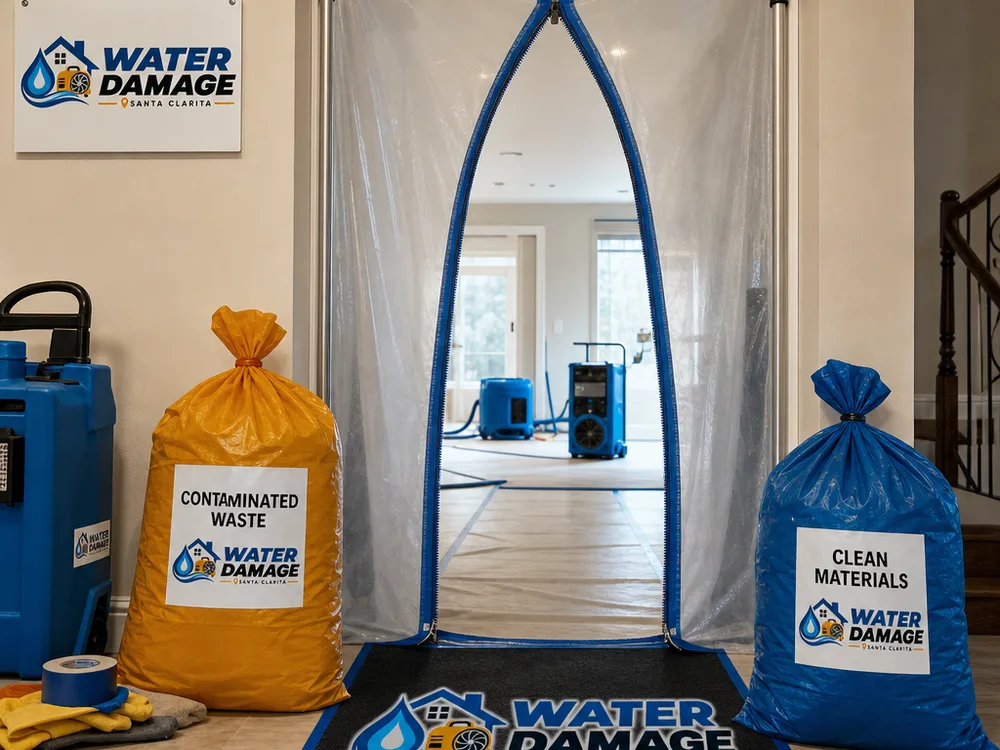
A proper remediation job starts with controlling spread. Mold becomes a bigger problem when spores and dust get carried to clean areas by air movement, foot traffic, or improper demolition. We plan the work zone first, then remove the affected material.
Typical mold remediation scope may include:
What we avoid is shortcut work that looks good for a week but leaves contamination behind. Painting over staining, fogging without removal, or running fans that blow spores into adjacent rooms can make the problem harder and more expensive later.
Why homeowners choose the team
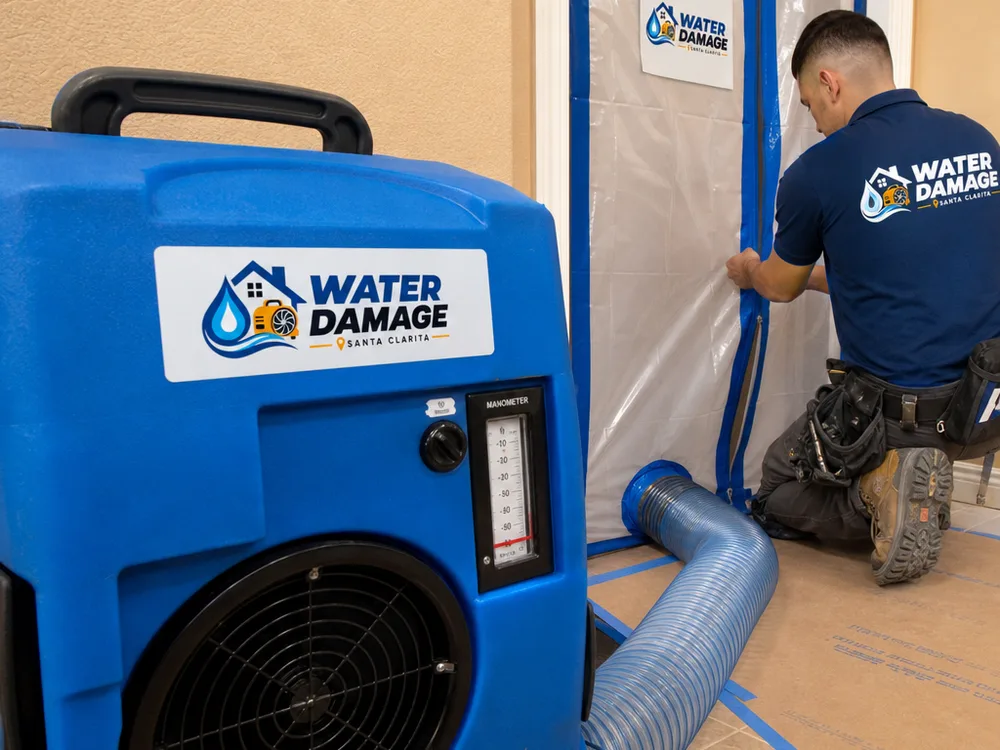
We treat mold like a contamination issue, not a cosmetic one. That means barriers, HEPA filtration, and clean-to-dirty workflow so unaffected rooms stay that way.
Remediation only lasts when moisture is controlled. We look for contributing conditions like bathroom ventilation issues, slow plumbing leaks, or damp building cavities.
You get a clear explanation of what needs removal versus what can be cleaned, plus what repairs, if any, are required after remediation.
Homes, rentals, offices, and light commercial spaces all need safe isolation and a plan that keeps people working or living around the project when possible.
We work with practical steps for sensitive occupants, including limiting cross-traffic and advising on when it is safer to stay out of the work area.
We look at the visible growth and the likely moisture pathway. When useful, we use moisture meters to check adjacent drywall and framing so the scope matches what is actually affected.
We isolate the work area with poly barriers and establish air filtration, often HEPA air scrubbing. For larger or more sensitive situations, we use negative pressure to keep dust from migrating.
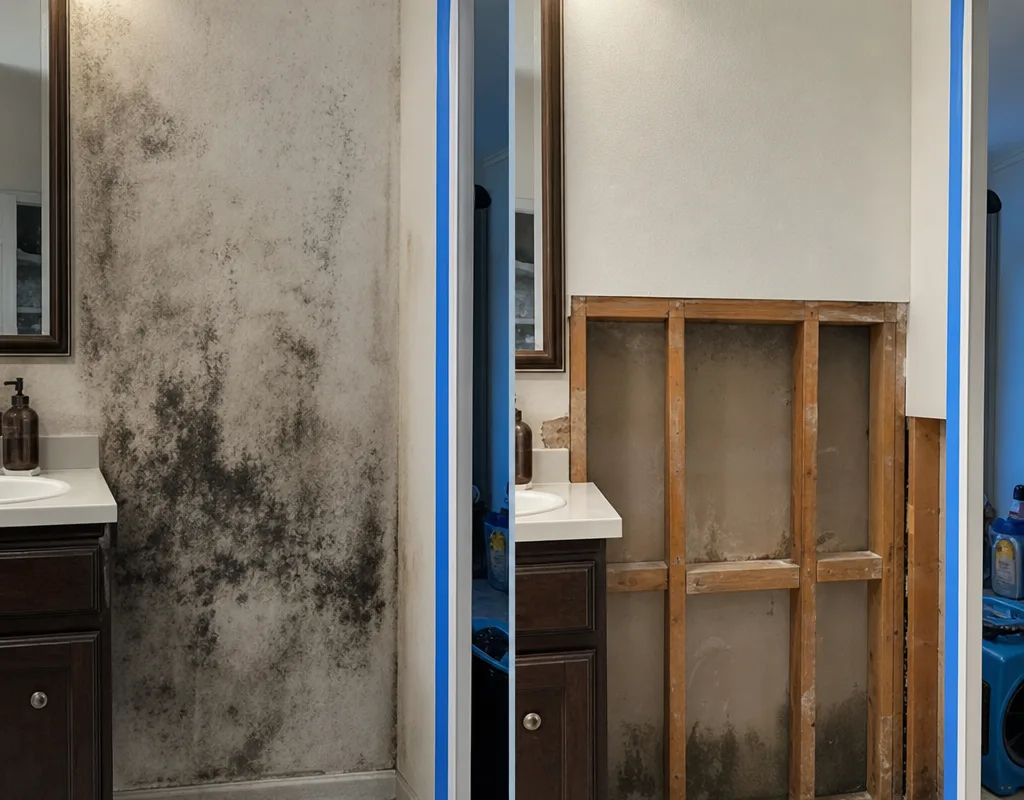
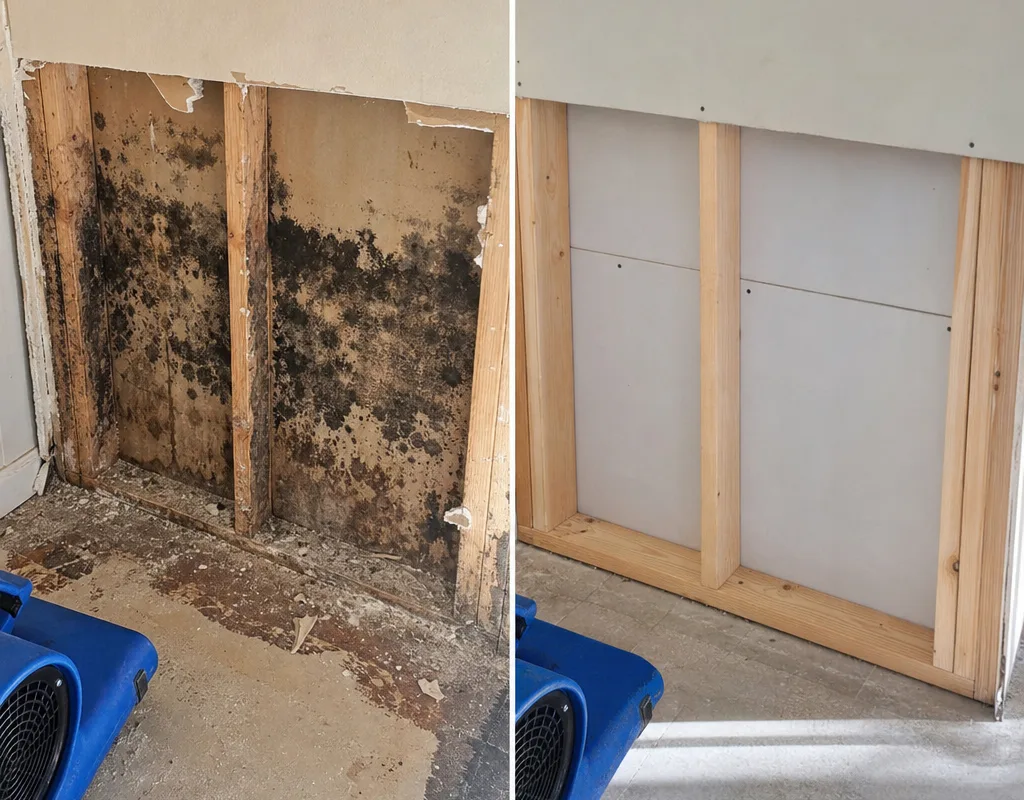
Materials like swollen drywall, saturated insulation, and moldy porous items are removed and bagged out carefully. This is where many shortcuts happen in the industry, and it is where doing it right counts.
We HEPA vacuum and clean remaining surfaces, then apply appropriate antimicrobial solutions where they make sense. We focus on thoroughness rather than fragrance or masking odors.
If moisture is still present, we add dehumidification or targeted drying until materials return to normal moisture levels. We walk the site with you, document what was done, and outline next repair steps.
Planning the project
Most mold remediation projects in Santa Clarita typically range from about $1,500 to $6,500, with small, contained areas sometimes closer to $750 to $1,500 and larger multi-room removals or heavy demolition running $7,500+.
Your actual price depends on the size of the affected area, whether porous materials must be removed, how much containment and negative air is required, access such as an attic or crawlspace, and whether drying equipment is needed to correct moisture in framing. The exact cost is confirmed after an on-site inspection and a written scope.
Worksite standards
Customer experience
“They explained what had to be removed and what could be cleaned, set up containment, and kept the rest of the house from getting dusty. The musty smell was gone once everything dried out.”
“Our rental had mold behind a baseboard after a slow leak. The written scope was straightforward, and the crew finished the removal and cleanup without dragging the job out.”
Practical questions
Most contained mold remediation jobs take 1 to 3 days of active work, and larger removals can take longer when demolition, drying, or multiple areas are involved. Timing depends on how quickly materials dry and whether hidden cavities, like behind shower walls or under flooring, are affected.
Often you can stay in the home, but you should avoid the contained work area and follow access guidance until cleaning is complete. If the affected area is in a high-traffic zone, or if someone in the home has significant respiratory sensitivity, it may be safer to plan time away during demolition and cleanup.
Yes, attic and crawlspace remediation is common, but the fix usually depends on moisture control and ventilation, not just cleaning. In Santa Clarita, attic issues often trace back to bathroom exhaust venting problems or condensation, so we look for the source while we scope the cleanup.
Yes, porous materials that are contaminated or water-damaged are typically removed because they cannot be reliably cleaned to the same standard as framing or other non-porous surfaces. We explain exactly what is being removed and what the post-remediation repair needs will be.
We can discuss when testing is useful, but remediation is usually based on visible growth, moisture conditions, and proper containment and removal methods. If you need independent clearance testing for a real estate transaction or a sensitive occupancy situation, we can coordinate timing so sampling happens after cleanup and drying.
Keep the area closed off as much as possible, avoid running fans that blow air across the growth, and do not disturb the material by scraping or dry-brushing it. If there is an active leak or wet material, stopping the moisture source quickly is the priority, because mold growth accelerates when materials stay damp.
Start with a documented plan
Tell us what you are seeing and where it is showing up. We will schedule an inspection, explain the containment and removal plan, and provide a written scope you can make decisions from.